Start at the Game-Room Table
Every movement roll in Invokyr advances your group and changes the danger in the house. To keep progressing, survive the event, deliver the idols the board requests, and return for another roll. Reaching the center begins the final challenge, so prepare for more than a simple race across the board.
Invokyr combines first-person exploration with a cursed board game. The table in the game room connects those two parts: you make progress on the board by completing requirements inside the shifting manor. The Gamemaster introduces threats and changing rules as you play.
Your group shares one board token. A movement roll advances that shared piece, so coordinate before someone throws the die. Everyone needs time to understand the current situation and prepare for whatever the next space introduces.
| Board element | What it tells you | Your next action |
|---|---|---|
| Shared token | The group's progress toward the center | Coordinate movement rolls with your teammates |
| Rhyme above the board | A clue about the event or threat | Read it before exploring |
| Idol requirement | The value needed to unlock another movement die | Deliver idols until you meet the displayed target |
| Center space | The start of the final challenge | Prepare to follow the ending instructions |
Begin by throwing the movement die onto the board. After the token stops, read the event text before leaving the room. Rolls can introduce creatures, traps, curses, survival challenges, or platforming sequences. The requirement for continuing depends on the event you receive.
The rooms also rearrange with rolls. A hallway you used earlier may no longer provide the same route, so check your surroundings again instead of assuming that your previous escape path still works.
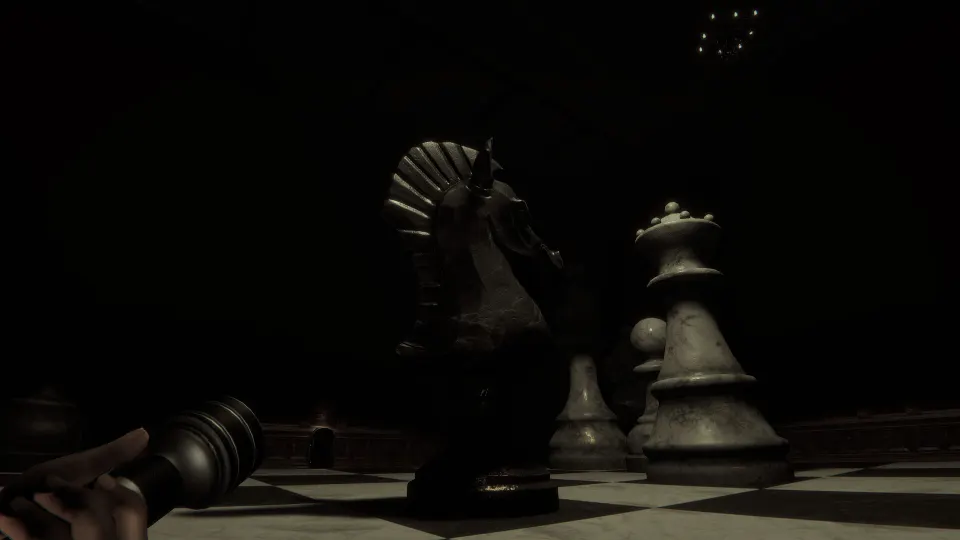
Return Cursed Idols to Unlock Another Roll
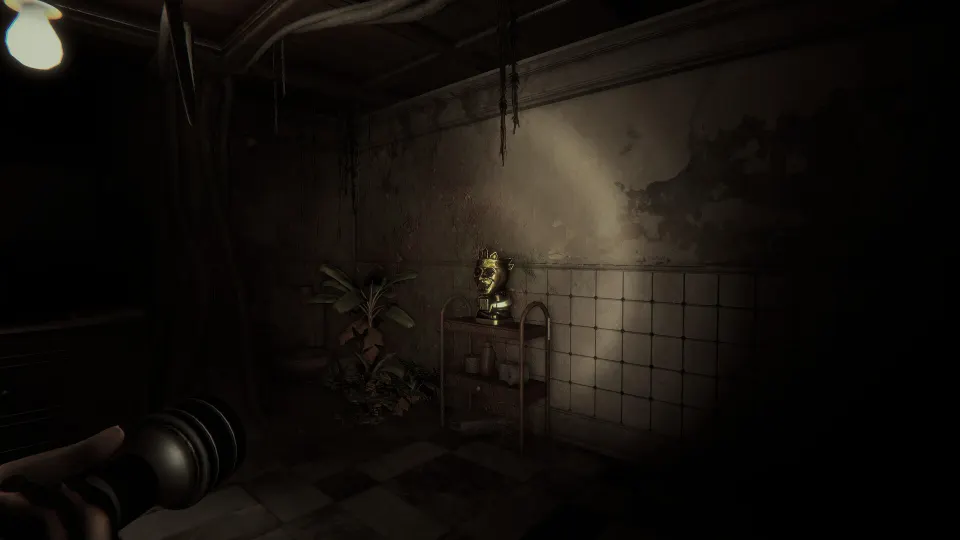
During collection turns, search the house for idols and bring them back to the board. The board consumes delivered idols toward its requirement. Once you contribute enough value, another movement die becomes available.
Read the number on your own board. An early demonstration shows a target of 300, but that is an example of a particular turn, not a universal price. It is also a value requirement, so counting statues alone can give you the wrong idea about how much remains.
Carrying an idol introduces another problem: its effect activates while you hold it. Dropping it stops that effect, and picking it up again brings the effect back. Appearance alone does not reliably reveal what a particular idol will do.
| Carrying situation | What happens | Practical response |
|---|---|---|
| You pick up an unfamiliar idol | Its effect becomes active | Test your movement before traveling far |
| Your controls reverse | Normal movement inputs become confusing | Ask a teammate to guide you |
| You drop the idol | Its carrying effect stops | Reorient yourself before picking it up again |
| The idol occupies both hands | Your access to held equipment changes | Plan lighting and support before moving |
Keep your first movement test short. Discovering reversed controls beside the pickup is easier to manage than discovering them while fleeing through a doorway.
If the curse makes navigation difficult, have another player give clear directions. A teammate can help you work through confusing movement without forcing you to abandon the delivery.
Be careful where you set idols down. Avoid closet doorways and door-swing areas, where the object can interfere with your route. Dropping an idol is useful for regaining control, but you still need to finish carrying it back to earn progress.
Choose Your Dice Before Spending Them
Movement dice advance the board, while special dice provide useful effects during exploration and emergencies. Dice are single-use, so identify what you are holding before throwing it. Experimenting with a valuable rescue item in an empty room can leave you without it during a dangerous event.
| Die | Main purpose | Beginner consideration |
|---|---|---|
| Movement | Advances the shared board token | Roll at the board when the group is ready |
| Heal | Heals players and can revive dead bodies | Keep it available when teammates need recovery |
| Resurrect | Revives one dead player from anywhere | Useful when reaching a fallen teammate is difficult |
| Fire | Uses fire against threats | Do not assume every creature responds equally |
| Teleport | Provides teleportation | Save it for a situation where repositioning helps |
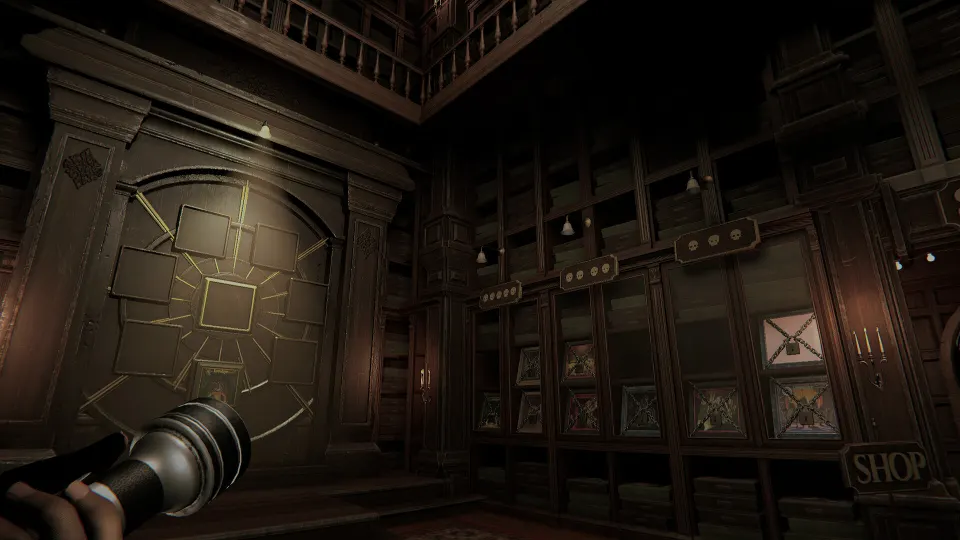
Look for useful dice while exploring and communicate what you find. Knowing who has a recovery option helps the group respond when someone falls. Bring spare supplies back toward the central room so they are easier to organize between excursions.
Unlocking a movement die gives you a choice. You can use it and continue, or deliver additional idols to generate more movement options. You can have up to three movement dice available, but you use only one.
Extra collection can be worthwhile if the available die is cursed or offers an undesirable roll. However, that choice requires another trip through dangerous rooms. Consider the team's condition and available supplies before extending the collection phase.
A useful die loses its value if nobody remembers it exists. Call out rescue and escape options before the next movement roll, especially when several players have collected different items.
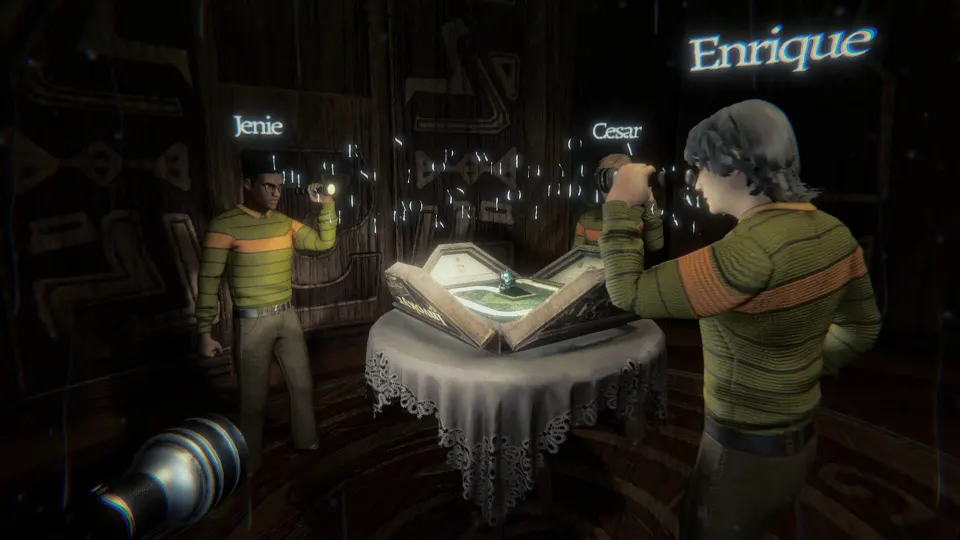
Survive Events with a Shared Plan
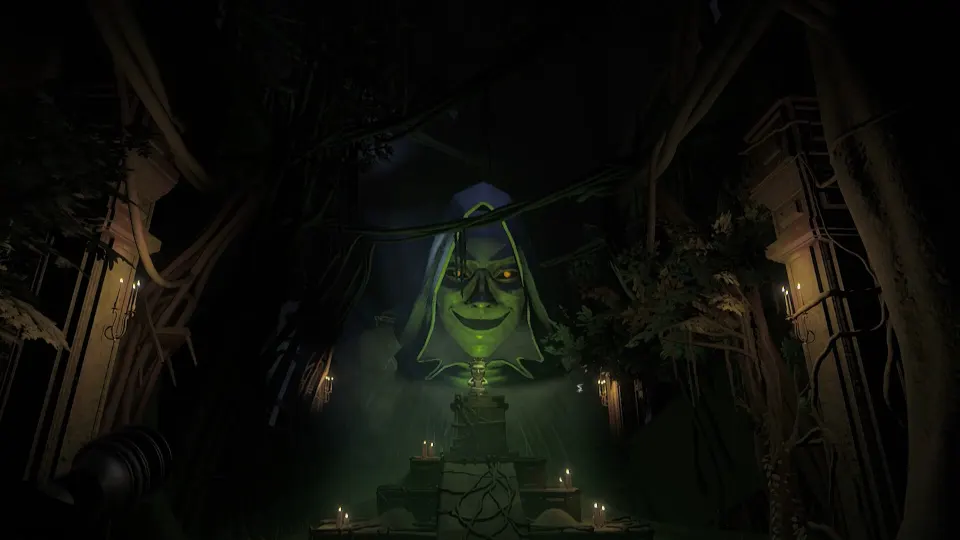
Read the board's rhyme and listen to the Gamemaster before deciding how to approach the house. These clues can indicate the next threat or rule. Subtitles help you catch instructions that might otherwise disappear beneath conversation or the sounds of an encounter.
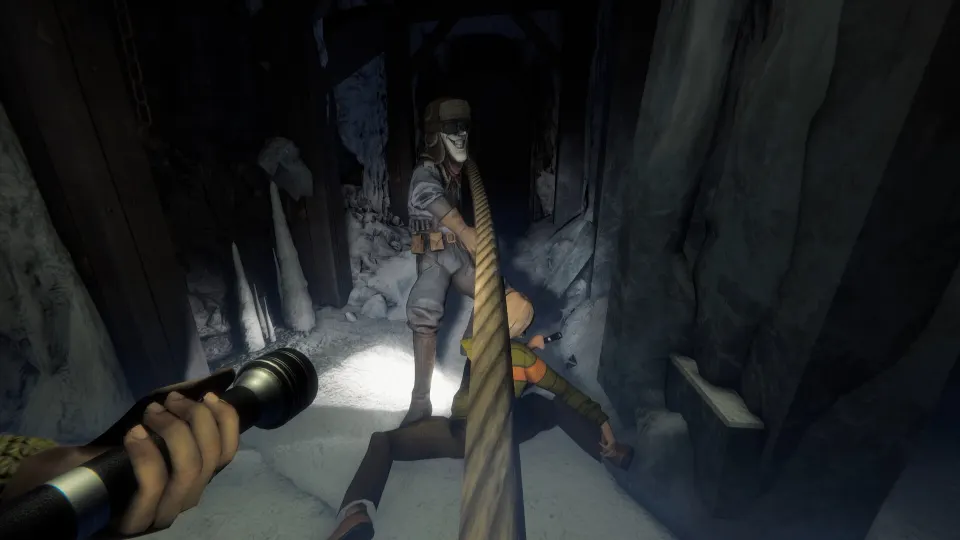
An event may require ordinary exploration, but it can also replace that routine with a survival sequence, puzzle, or platforming challenge. Check what the event asks of you before treating every round as another idol hunt.
Use a few simple habits to keep the group organized:
- Check readiness before rolling. Give teammates time to return, explain what they found, and prepare their items.
- Identify an exit. Know how to leave the immediate area before committing to a dangerous room.
- Explore with support. A nearby teammate can guide a cursed carrier or help when an encounter goes wrong.
- Report changing routes. Tell the group when a familiar doorway or hallway no longer leads where expected.
- Keep recovery dice available. Save useful healing or revival options for situations where they can keep the run going.
- Listen during unfamiliar events. Instructions and clues matter more than rushing toward the next pickup.
Do not assume the game room provides complete protection. Monsters can reach players there, so returning to the board does not automatically resolve a pursuit.
Pay attention to details outside combat, too. Some challenges depend on observation or memory rather than simply avoiding enemies. Pause long enough to understand a puzzle's instructions, and share relevant details with the group before anyone makes a choice.
Prepare for the Final Challenge
Moving the shared token to the center triggers the final challenge. Arriving there does not immediately finish the board, so keep useful supplies available as you approach it.
Before a late movement roll, check whether teammates need healing, whether someone is still carrying an idol, and who holds the remaining special dice. These checks help you enter the next event with a clear picture of your resources.
The instruction book also connects ending the game with saying the name. Pay attention to the ending instructions as they appear; reaching the center is only part of completing the run.
Throughout the approach, continue reading each event carefully. The same habits that make early collection manageable—communication, controlled item use, and attention to changing rules—remain useful when the board reaches its conclusion.
FAQ
What should I learn first?
If you are learning how to play invokyr, focus on the connection between the board and the house. Roll to advance, read the event, complete its requirement, and return. During idol turns, the displayed value tells you what you need before another movement die unlocks.
Why can't I roll again?
Check the board's current requirement. On a collection turn, you must deliver enough idol value to unlock another movement die. Other events require you to complete their challenge first. Having found an idol is not enough; it must reach the board.
Do I always need 300 points?
No. The 300-point requirement appears in an early demonstrated turn, but it is not a fixed cost for every roll. Follow the number currently displayed above your board and check your progress after deliveries.
Can I remove an idol's curse by dropping it?
Dropping an idol stops its effect while you are no longer holding it. The effect resumes when you pick it up again. Use the pause to regain your bearings, then plan how to complete the delivery.
Can I play alone?
Yes, solo play is supported. You will need to manage exploration, idol transport, and emergency items yourself. With teammates, those jobs can be shared, and another player can help guide you when an idol disrupts your movement.
Does reaching the center win the game?
No. The center begins the final challenge. Keep following the game's instructions and preserve useful supplies for that stage instead of spending everything merely to reach the last space.